art

Mammoth: Exhibition Spotlight

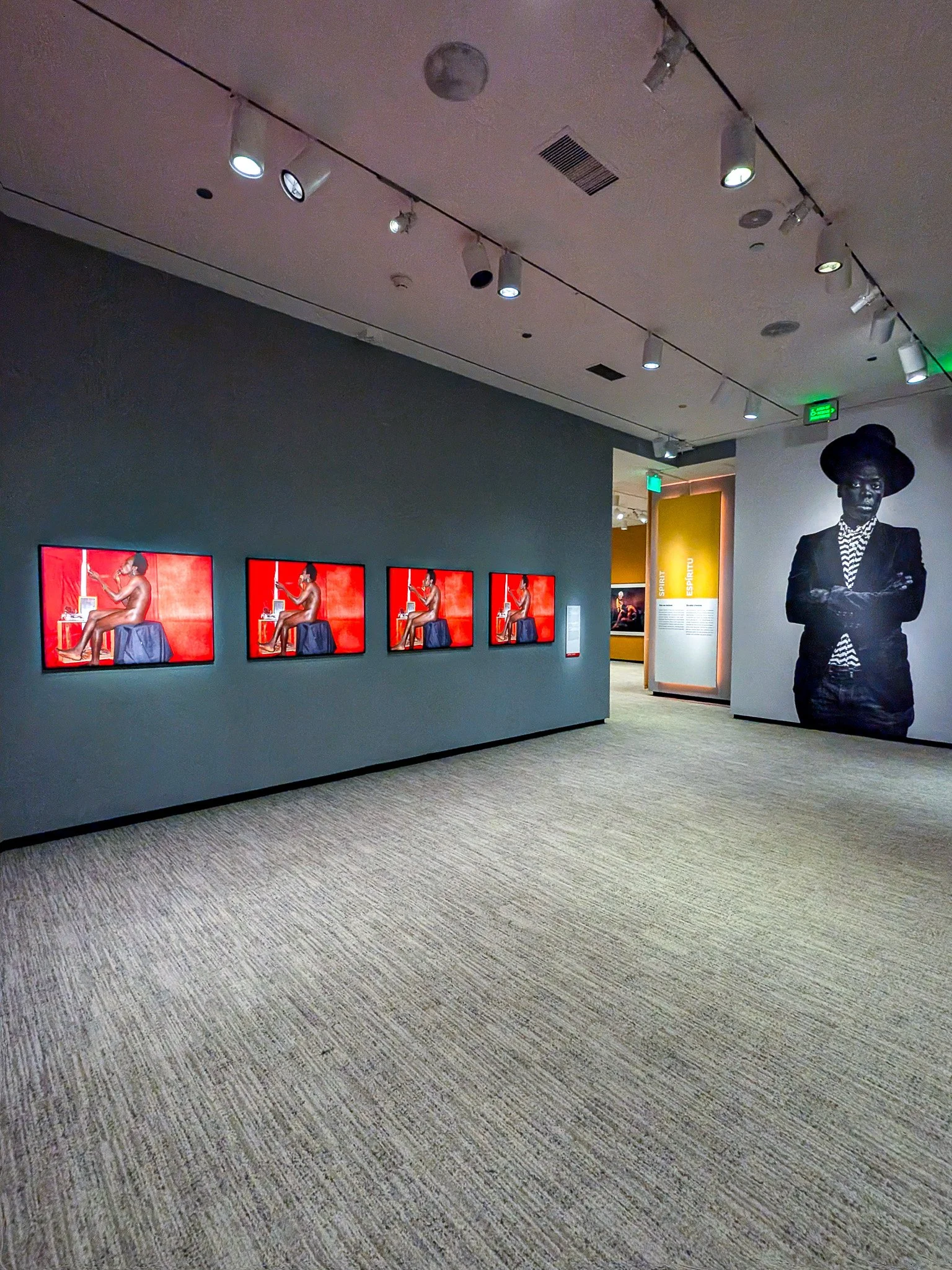
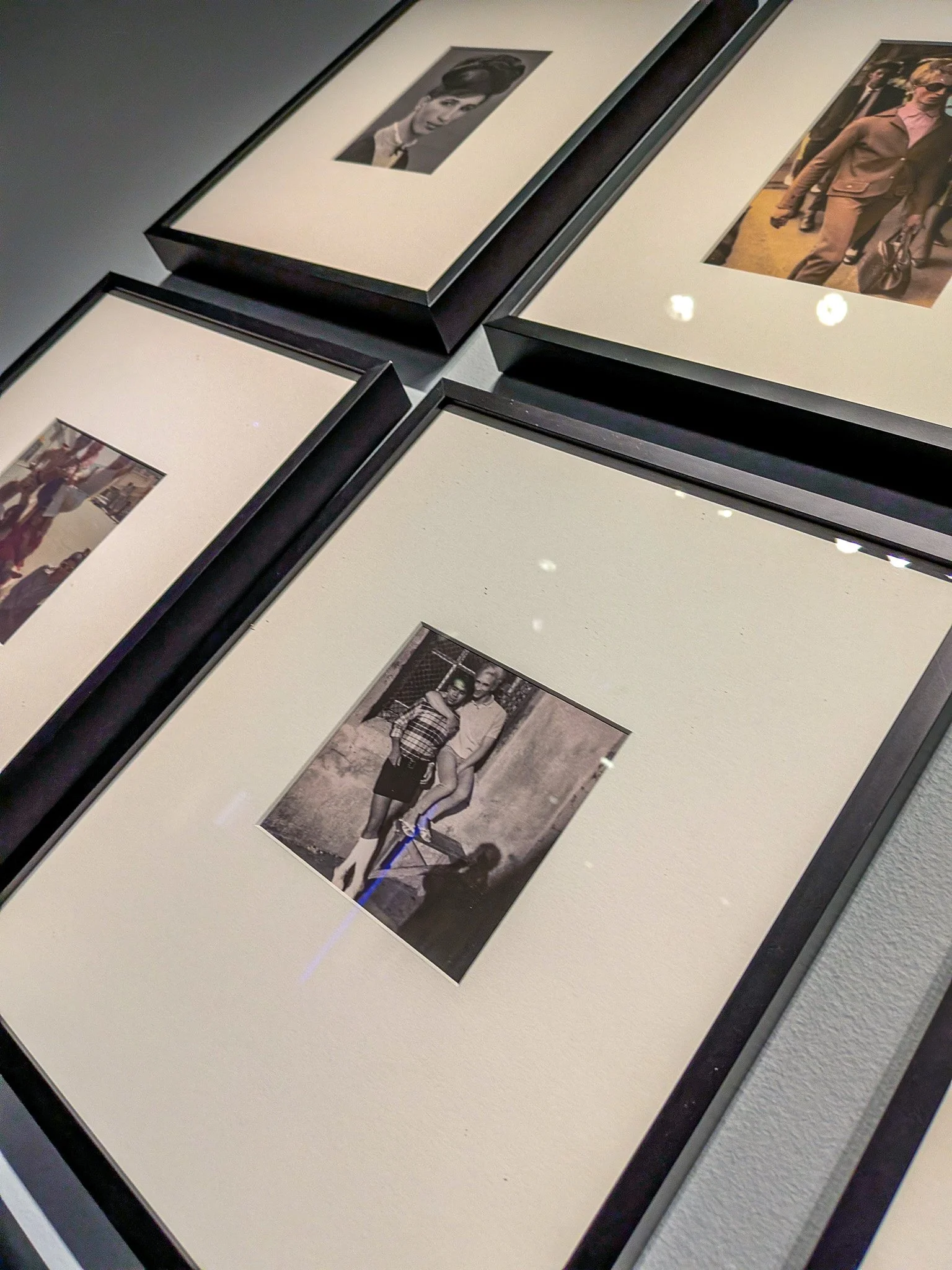
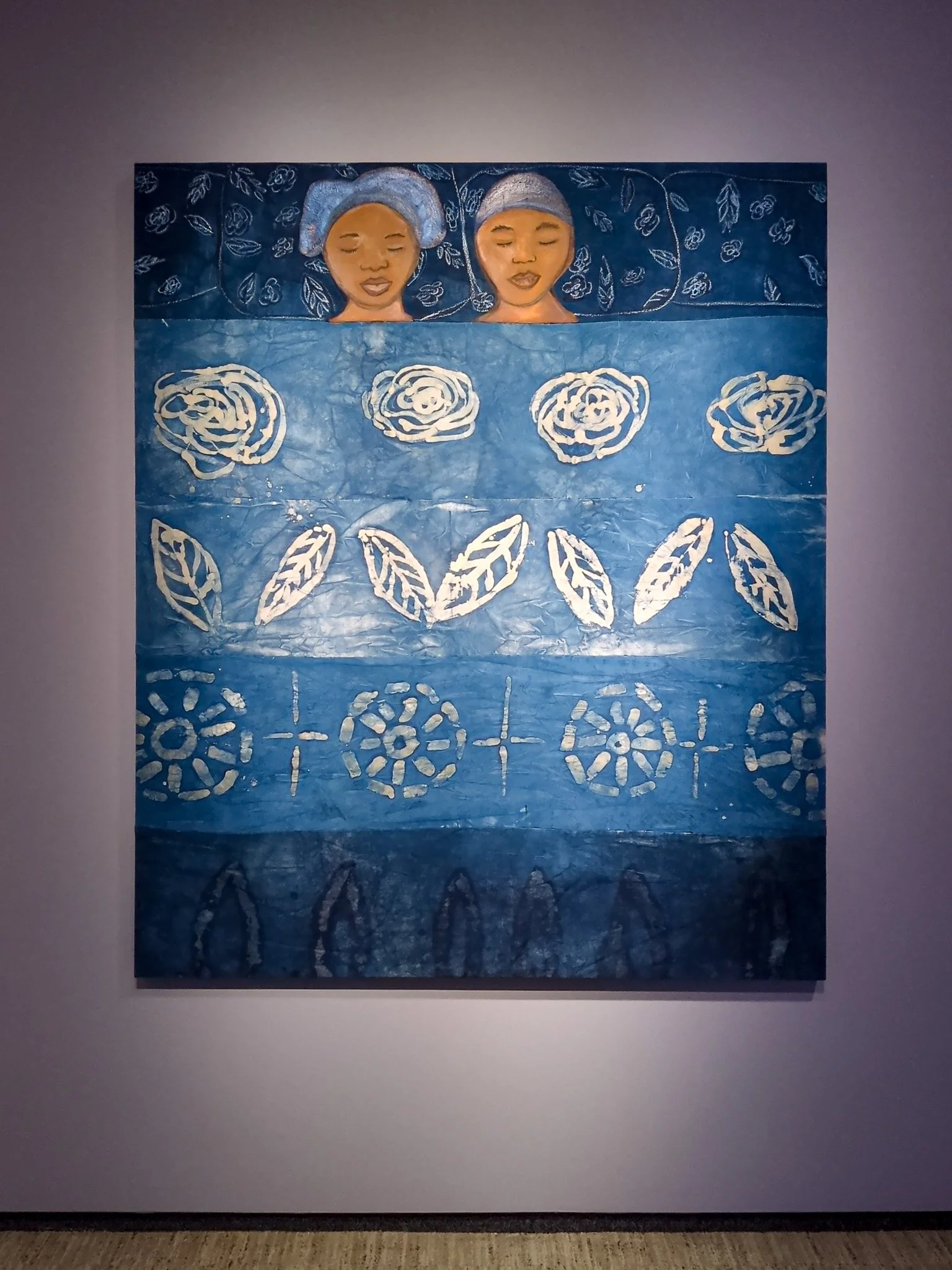
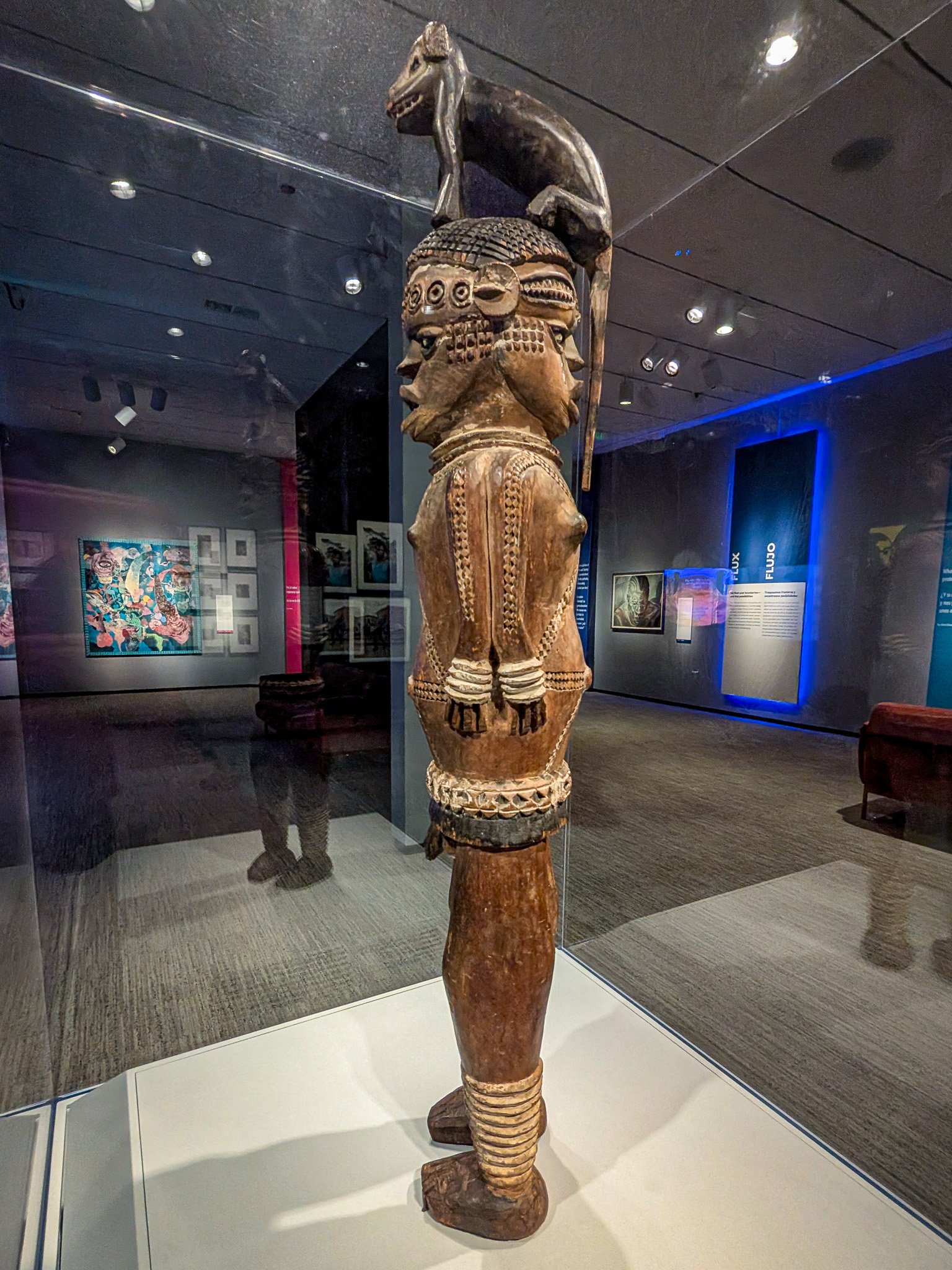
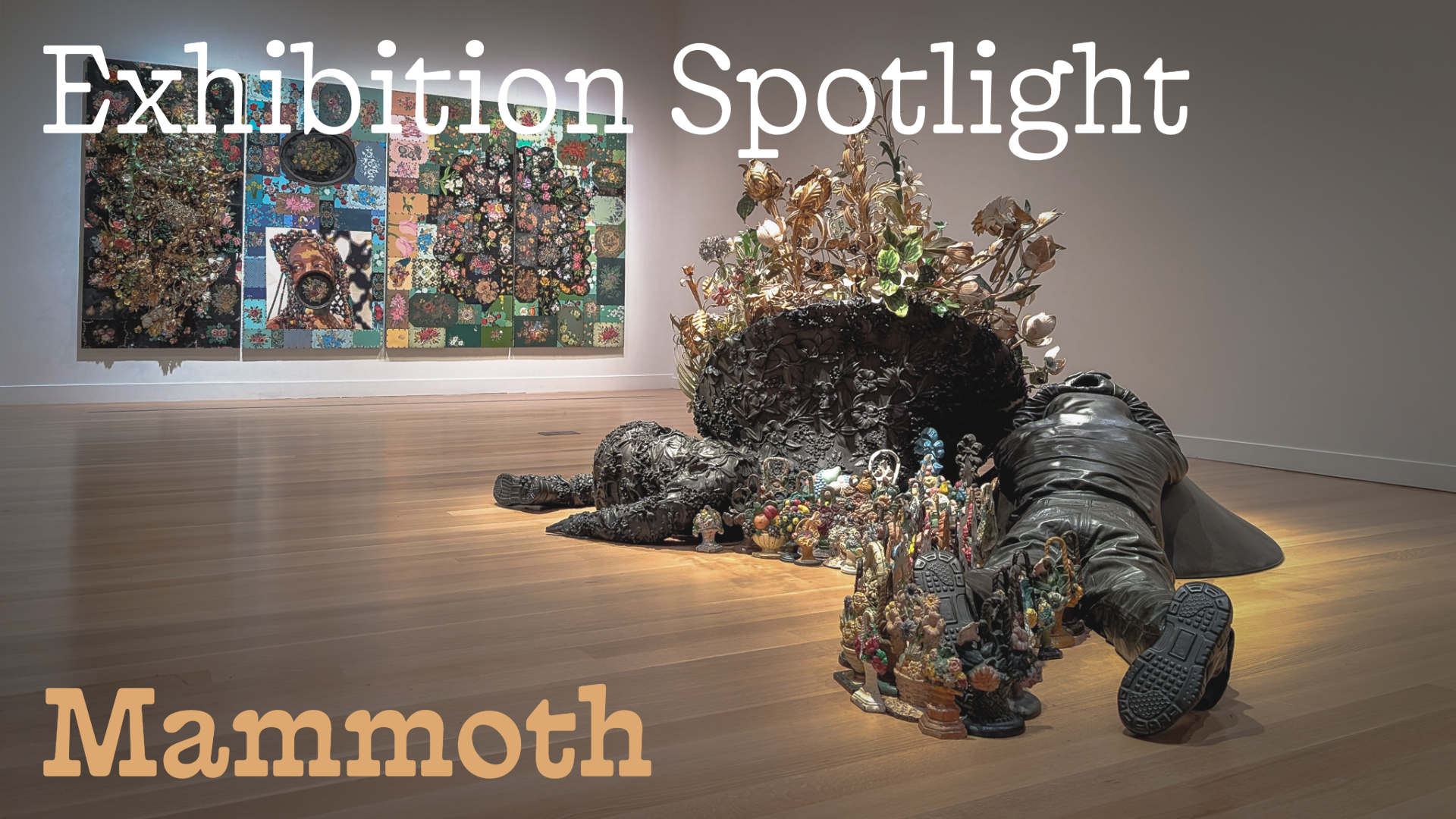
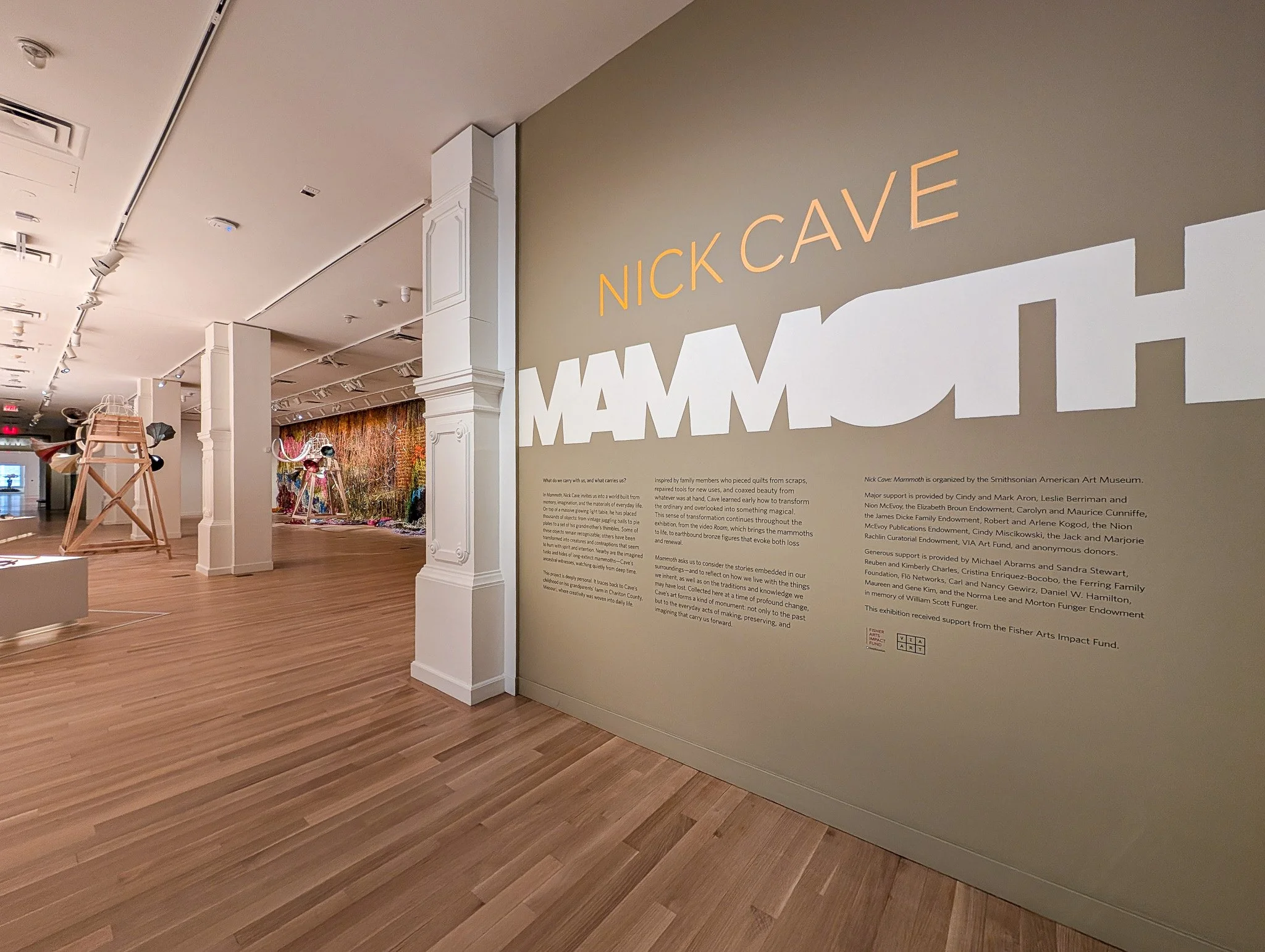
Nick Cave achieved the double of at once overwhelming me and at the same time, stoking my desire to engage further. In a way, this exhibition lived up to the title. Mammoth likely hits you differently depending on how much you know about Nick Cave's art and life. I went in not knowing more than this exhibition had been recommended to me multiple times by multiple people from different parts of my life, and having read reviews from a few national publications. I might now know him a little more having seen and absorbed this work.

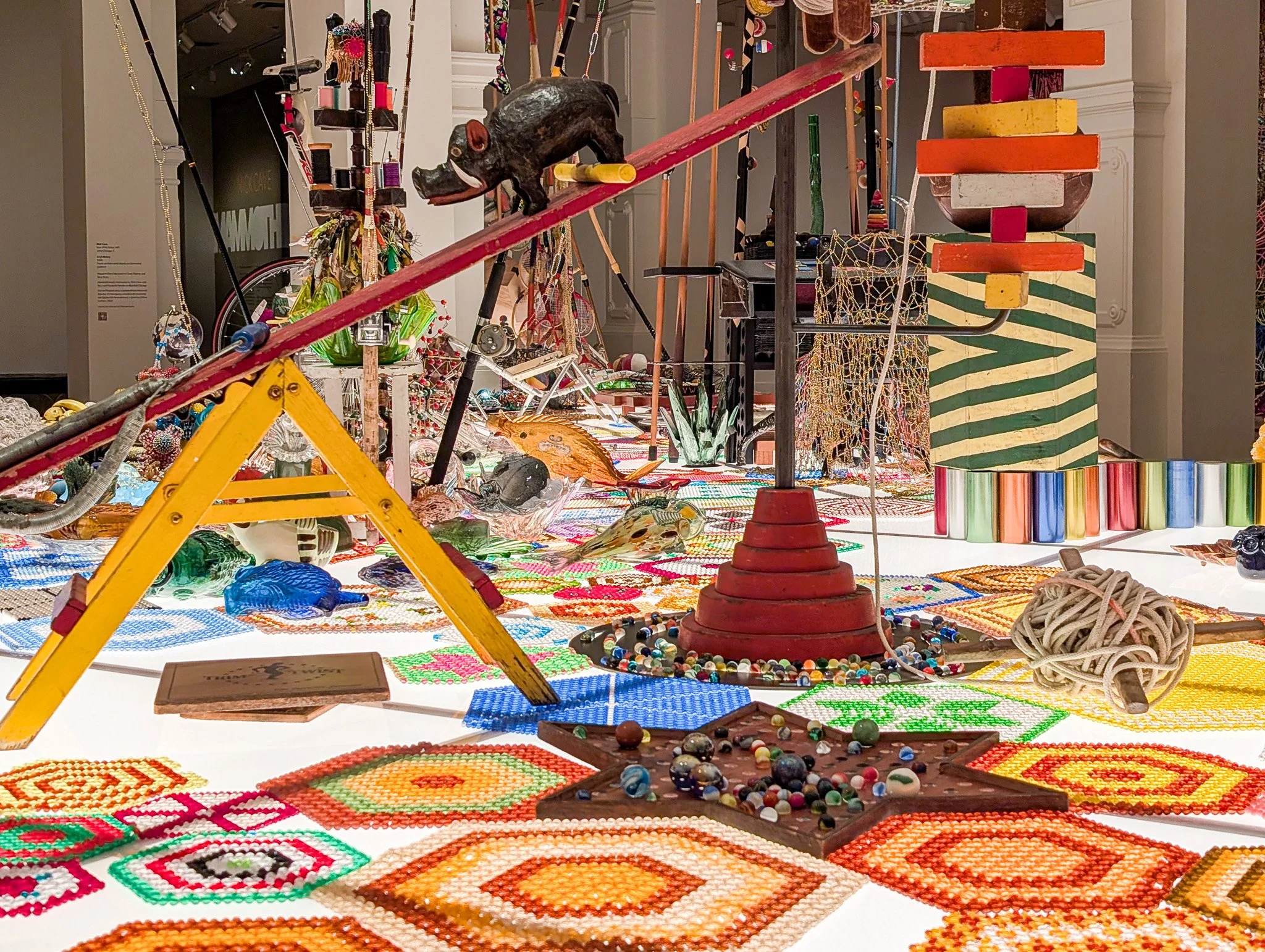
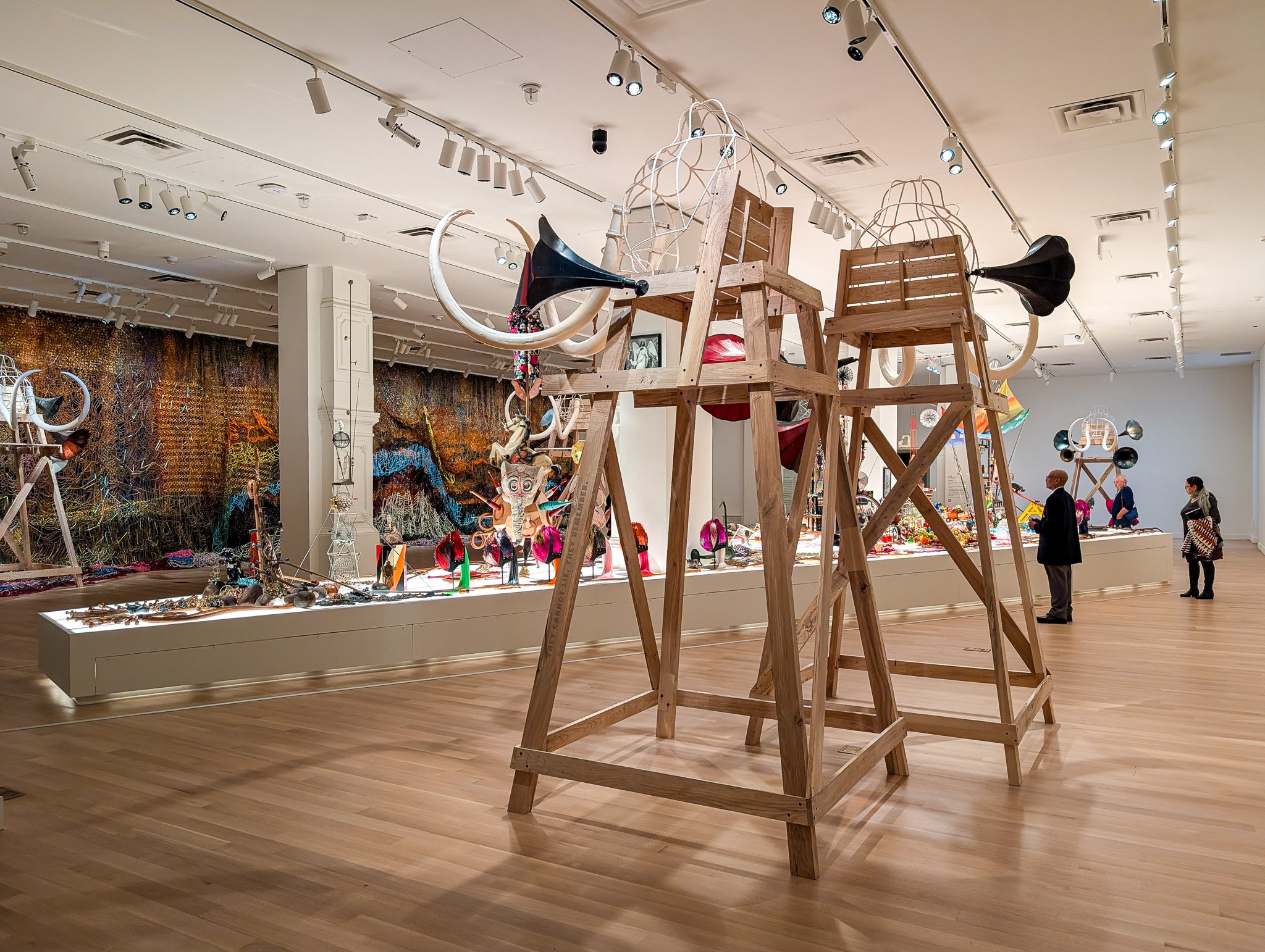
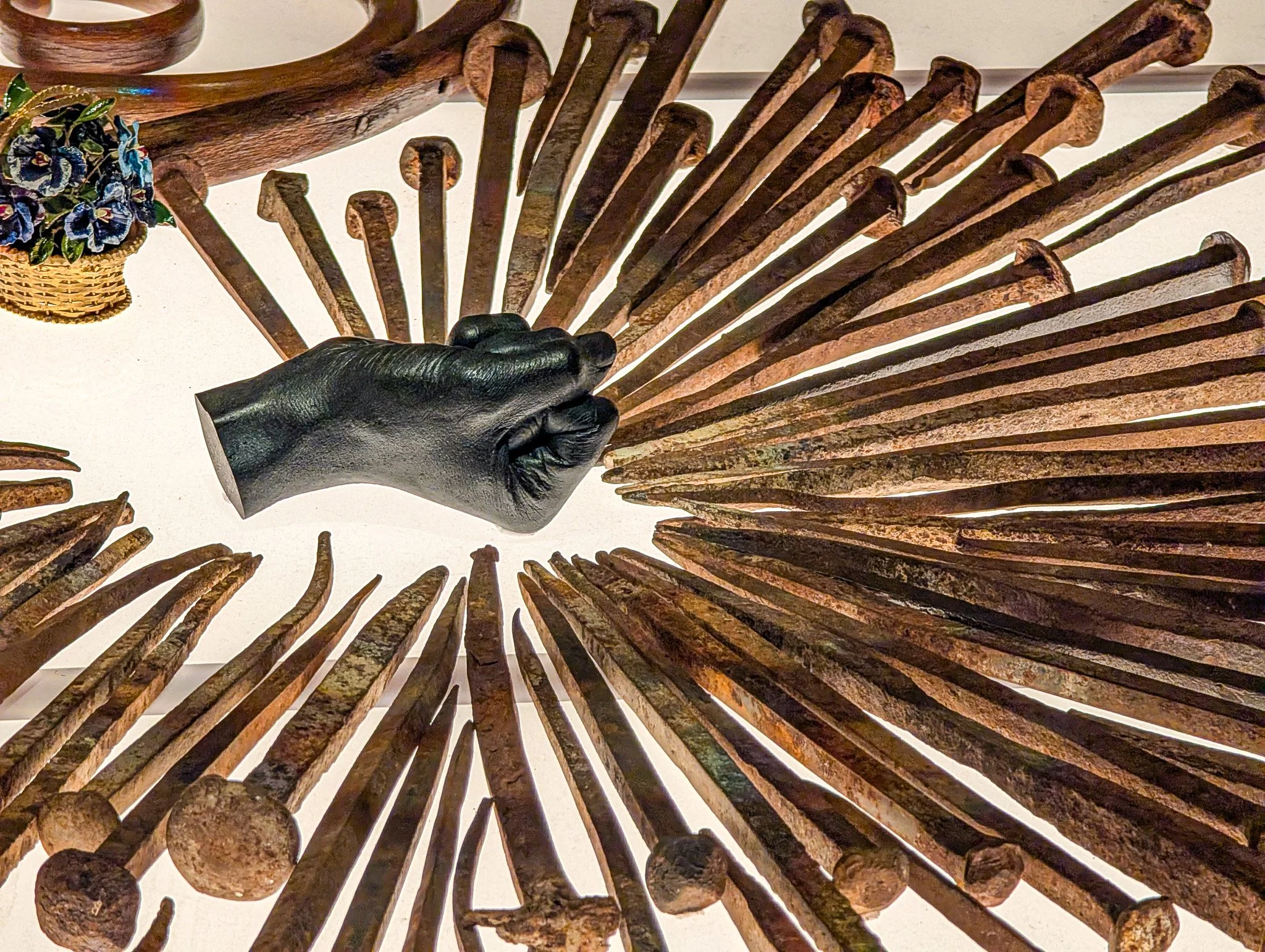
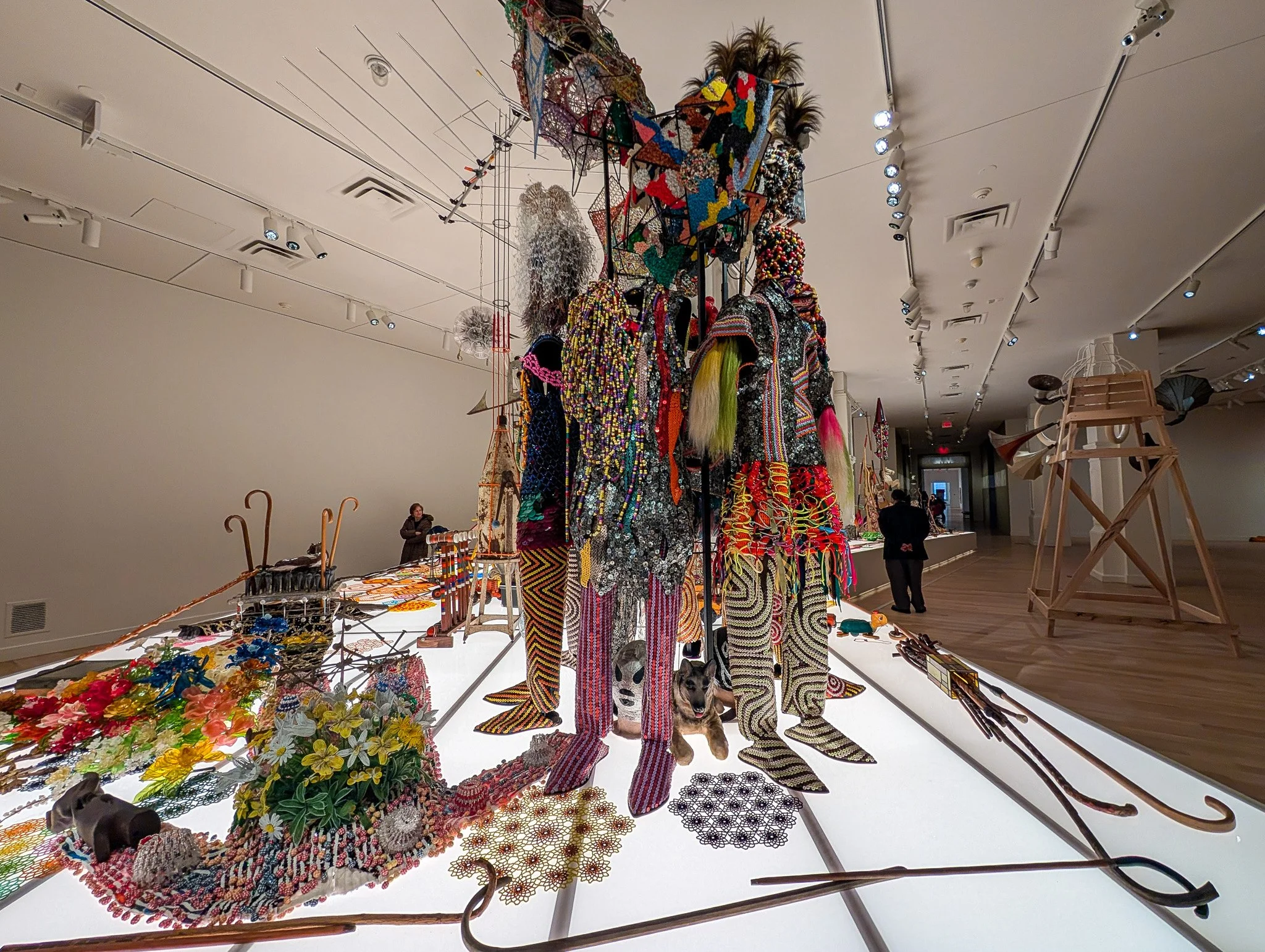
Having this exhibition's main draw (the light table) hosted in a huge open gallery space featuring ethereal lighting, with narrow exits at each end, led me to do what I believe many visitors will; spend a lot of time looking down at the plethora of objects presented on the life-sized light box, perhaps at the expense of the other parts of the exhibition.

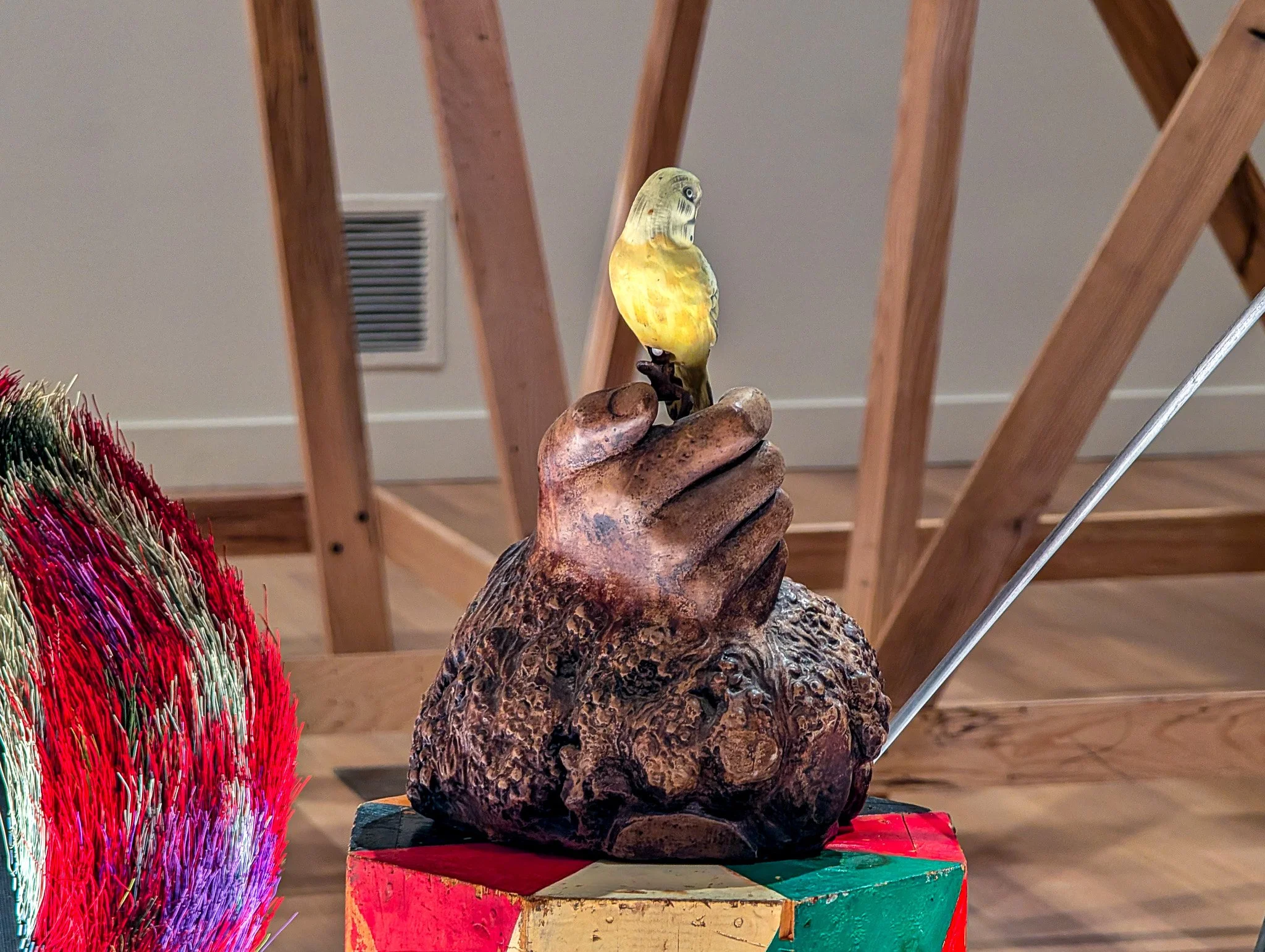
To think of the objects on the light box as detritus would mask the value in looking at everyday objects in this way. The exhibition is as much an examination of life at a moment in time as it is a collection of what makes us, us, over the course of an entire lifetime. Or in this case what made Nick Cave, Nick Cave. Toys, tools, textiles, and more -- the light table has it all. The overwhelming part is that there is just too much to observe in a single passing. The desire to engage more is partially fed by the slight chaos. Curiosity gives way to engagement. And questions. Who owned this one? Was that passed down through the family? What is it, exactly?

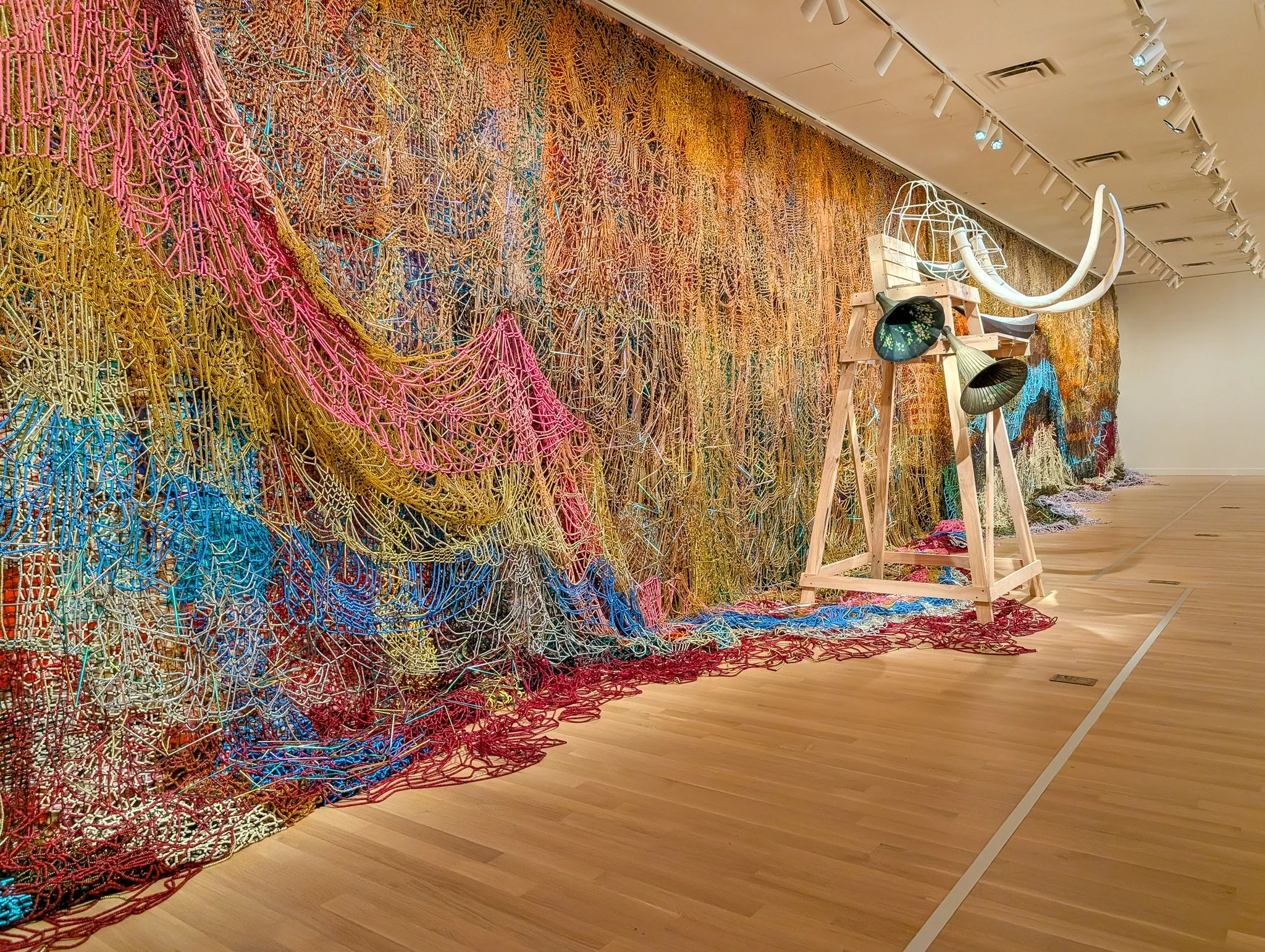
All the while, the massive mammoth bone structures watch from atop lifeguard-like platforms. Are they judging us for leering? Are they benevolent overseers of the cosmos? Are they watching for mistakes or learning? With consternation or pride?

While the light box is engrossing, the two pieces near the entrance of the exhibition are as powerful. First, a moving image short film of the titular mammoths (people adorned as mammoths) walking/wandering though what appears to be the Chicago landscape.

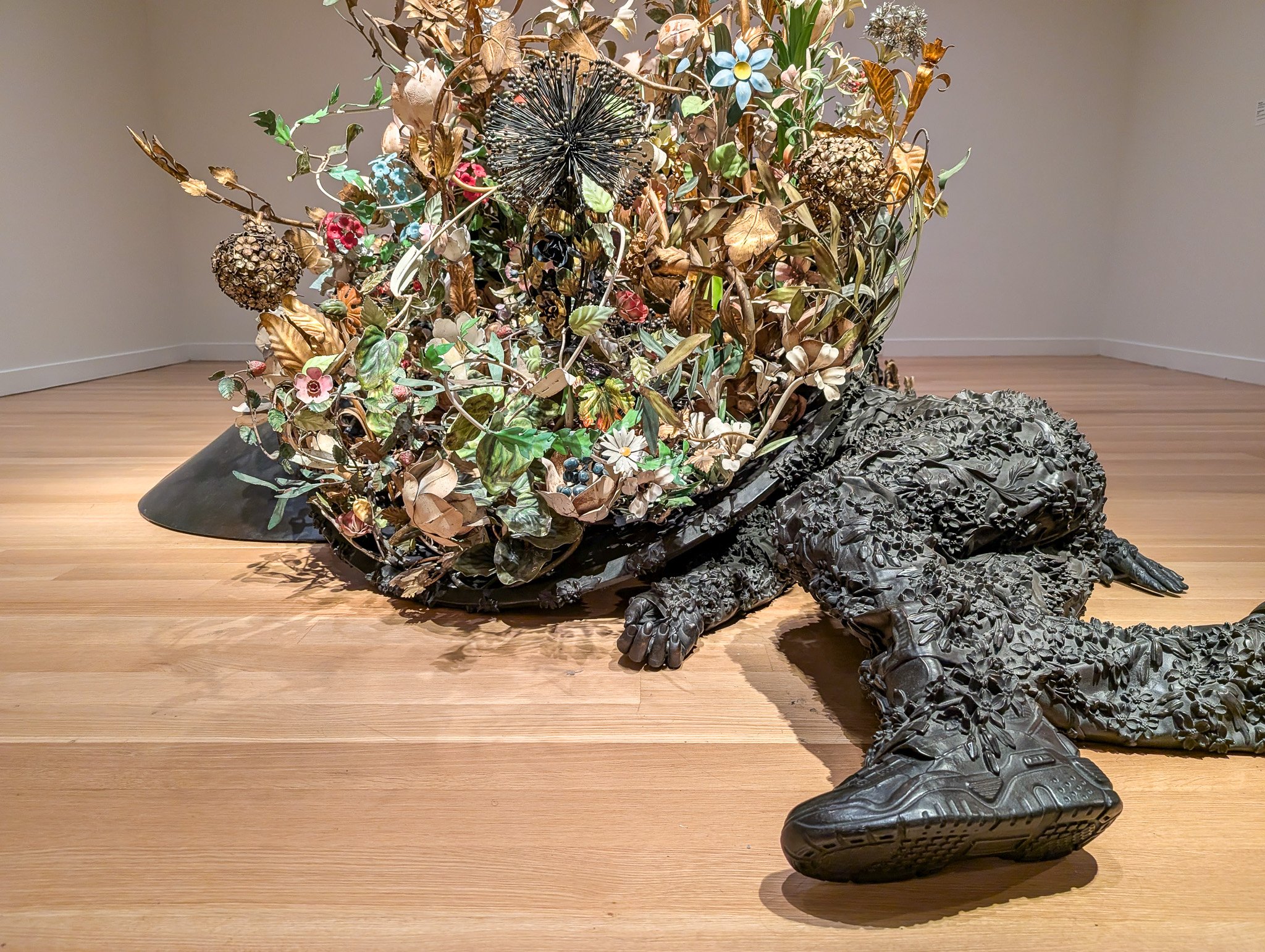
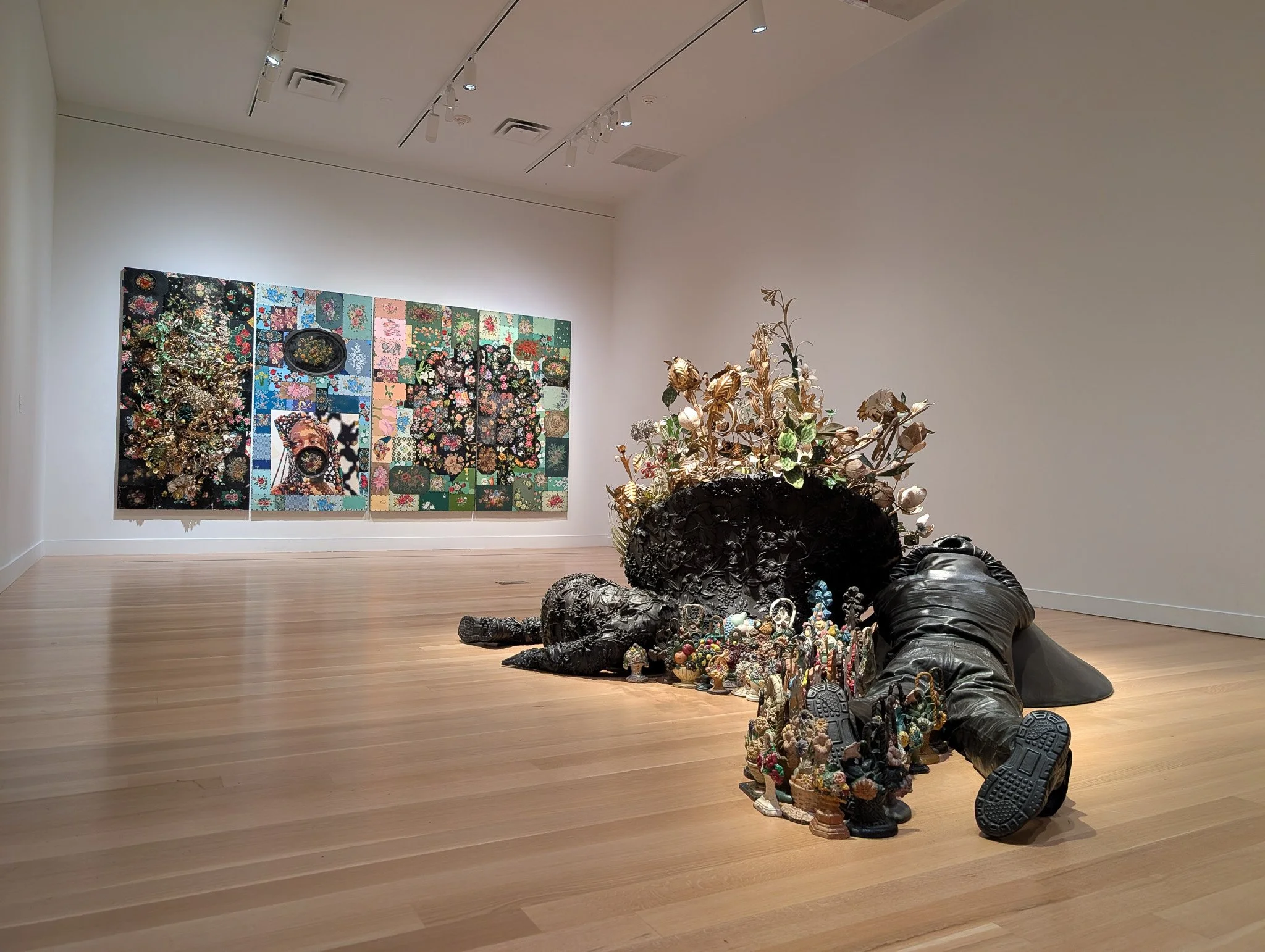
And in what was the most intriguing and slightly disconcerting piece, Amalgam (Plot). Two prone bodies meet on the floor, faces obscured. How did they get there? How long have they been there? Almost presented as another part of the body, flowers rise up along the edges of the prone figures and from the meeting of the two figures. This reminded me of one of the scenes from a dystopian movie where the survivors walk aimlessly among the ruins of a great catastrophe, occasionally coming across a body in the wild. A dark interpretation -- but the door is seemingly left open for rosier thoughts.

Overall, I was really taken with Mammoth. I was prepared to walk in with an open mind., and even then was surprised by the depth and presentation. Sometimes I have trouble connecting to "found art" style exhibitions. I did not write up the Material Witness exhibition showing at Rubell Museum, but perhaps I will. It was chaotic in a different way than Mammoth, but they both share few thematic links. Until then, Mammoth is worth a view! It has plenty of time to breathe, showing at the Smithsonian American Art Museum January 3, 2027.

The Future of Telling Stories Part II: Tours

In 1862 a man named Charles Stuart traveled to the Washington City Hall building on Indiana Avenue and turned in a set of important and valuable papers. The papers documented 10 people that were enslaved by Stuart. Enslaved — in the past tense. On April 16th, 1862 President Abraham Lincoln signed the District of Columbia Emancipation Act, freeing all enslaved people in the District of Columbia.

This was a full 8 months before the Emancipation Proclamation freed enslaved people in the rebellious southern states. In DC, there were 10,000 Black people living within the borders of the capital in 1862, but only about 3,100 were enslaved. Most Black people in DC were free. Those enslaved Black people became free under this act of Congress. However, enslavers in DC were given reparations for loss of their “property.” Enslavers like Charles Stuart could petition the government to get up to $300 per enslaved person they “lost” under the act. Each enslaved person could receive up to $100, but only if they engaged in "voluntary emigration,” i.e., leaving the United States for countries such as Liberia or Haiti. I discuss all of this and more on a tour titled Eyes on Emancipation: Black History on Pennsylvania Avenue.

The buying and selling of people, the compensation of enslavers, and the related histories are not fun facts to be relayed on a walking tour. However, these stories give context and meaning to the sites we see on tour. And these enable a better understanding the 150 years of political and cultural development that occurred here in DC post-emancipation. 99% of my guests understand this. They understand that the history of the United States is fraught. There are gruesome parts, frustrating parts, repellent parts, and dismal parts. There are also stories of triumph, inspiration, revolution, advancement, and preservation. All of those moments are part of the historical fabric of this nation and of this District. Can I cover it all on a 90 minute tour? No, of course not. But I trust my guests to let my storytelling be a guide to how they reckon with the present by way of understanding the past. Each person does it in their own way and I always plan to connect with different learners in different ways. 

What we must not be forced to do as educators is to edit the historical content of programs because of so-called “divisive” topics. I have no doubt that the principle behind the recent Executive Order concerning Smithsonian museums (I wrote about last week) will make its way to other educational venues. Of course K-12 classrooms come to mind, out-of-school learning programs, colleges & universities, and beyond. 

There is a fine line between worrying too much about a theoretical, potential scenario and actually preparing for what is likely to come. In that vein, I am prepared for walking tours and other informal teaching spaces to be challenged. The 250th anniversary of our nation, by way of the Declaration of Independence, is upon us. People from around the world will look not just to Washington, DC, but all corners of the United States as we reflect on, well… how we’re doing at the quarter millennium mark as a nation. Part of the reflection is learning about the problematic and tough parts of our shared history.

I can not edit those parts out of the narrative. I do not delight in telling the Charles Stuart story, but if did happen. Slavery was an institution. But then it came to an end here in DC, and later the U.S. This was partially due people like Charles Stuart complying and also due to the steadfast bravery of the United States Colored Troops, which we also teach about on tour.

Does discussing these topics "...degrade shared American values?" Does shining a light on the USCT "...divide Americans based on race?" Does explaining compensated emancipation "...promote programs or ideologies inconsistent with Federal law and policy?" In my view, of course not. I believe most of my guests agree. The day may come when tour guiding and other forms of speech & teaching are challenged on these grounds. In the meantime, I will continue to keep learning, updating current tours, and introducing new tours all about DC and how we got from there to here and then to now. The future of telling stories is good.

Exhibition Spotlight: Brilliant Exiles

Josephine Baker est aux Folies-Bergère. Lithograph, 1936. ByMichel Gyarmathy (1908-1996).

Happy belated birthday Josephine Baker! The singer, dancer, and actor who captivated Paris in the 1920s was born 118 years ago this week, on June 3, 1906.

Baker was but one of many innovative and creative American women who moved to Paris in the early 20th century seeking personal autonomy along with professional agency and success.

Some of these “brilliant exiles” are profiled in the new National Portrait Gallery exhibition by the same name, “Brilliant Exiles: American Women in Paris, 1900-1939.” The exhibition is open through February 23, 2025.

Loïs Mailou Jones 1905-1998. Charcoal and chalk on textured paper, c. 1940. By Céline Tabary (1908-1993) .

Gertrude Stein 1874-1946. Oil on canvas, 1905-6. By Pablo Picasso (1881-1973).

The show is made up of nearly 80 works of art, mostly in the form of portraits. The portraits are of, and sometimes also by these Americans who shifted and elevated the Paris culture through literature, visual, arts, dance, drama, and philosophy.

Portraiture has a way of annunciating identity in a more evocative way than even the written word can. This exhibition does that in a simple way, letting the paintings speak for themselves.

Baker, like the other American women featured in the exhibition, did not leave the U.S. and land in Paris by accident or coincidence. Crushing legal and social limitations in the U.S. left little room for freedom expression for independent and talented women. Restrictions were based not on just gender, but sexuality, race, economic stratifications, and politics. Paris was not a panacea for all U.S. societal ills, but the artistic climate offered more independence, agency, and freedom to an extent that, for these women, the U.S. could not compare.

Mercedes de Acosta 1893-1968. Oil on canvas, 1923. By Abram Poole (1882-1961).

Baker herself moved to Paris in 1925. She did return to the U.S. for short stints in theatrical productions, and more extensively to lend her aid to the cresting civil rights movements in the 1960s. But by then she was a Parisian through and through, having gained French citizenship way back in 1937. Baker died in Paris, passing away in her sleep on April 12, 1975, just days after performing in a show marking her 50th year of her Paris debut.

This exhibitions is about more than Baker herself. The portraits that make up the show give a luminescent view into the personality, and dare I say, aura, of the people captured. This is high recommend to visit before the show closes in February of 2025!

This and all Exhibition Spotlights are brought to you by our wonderful Patrons. Patrons get monthly insight into new and upcoming museum exhibitions, DC history posts, photographs not shown anywhere else, and more. If you like this post, there’s way more at Patreon.com/AttucksAdams! Memberships start at just $3/month.

In Exaltation of Flowers: Rose- Geranium; Petunia-Caladium-Budleya; and Golden-Banded Lily-Violets. Katharine Nash Rhoades 1885-1965. Marion H. Beckett 1886-1949. Mercedes de Cordoba Carles 1879-1963. Tempera and gold leaf on canvas, 1910-13. By Edward Steichen(1879-1973).

Zero Hunger Mural

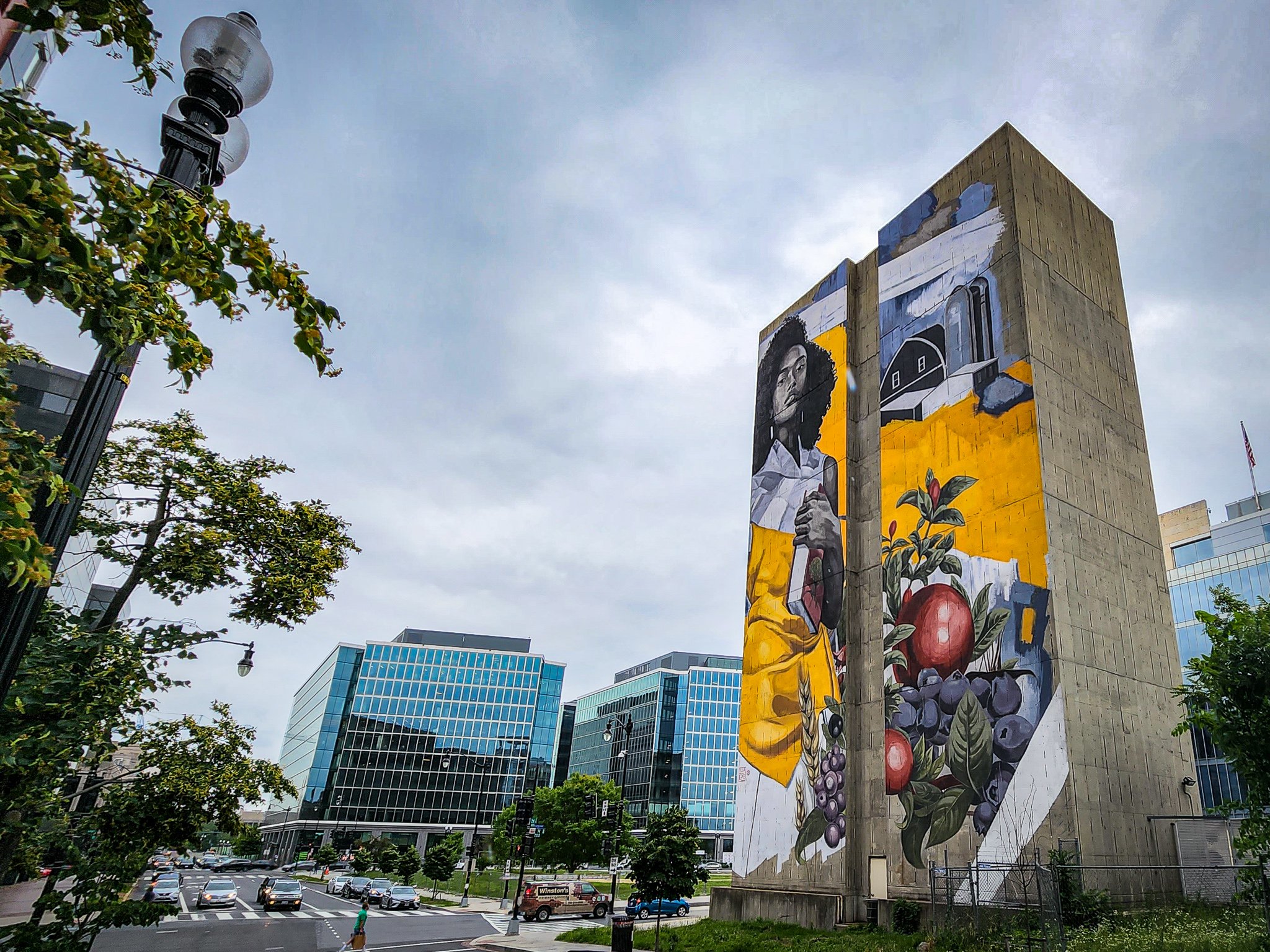
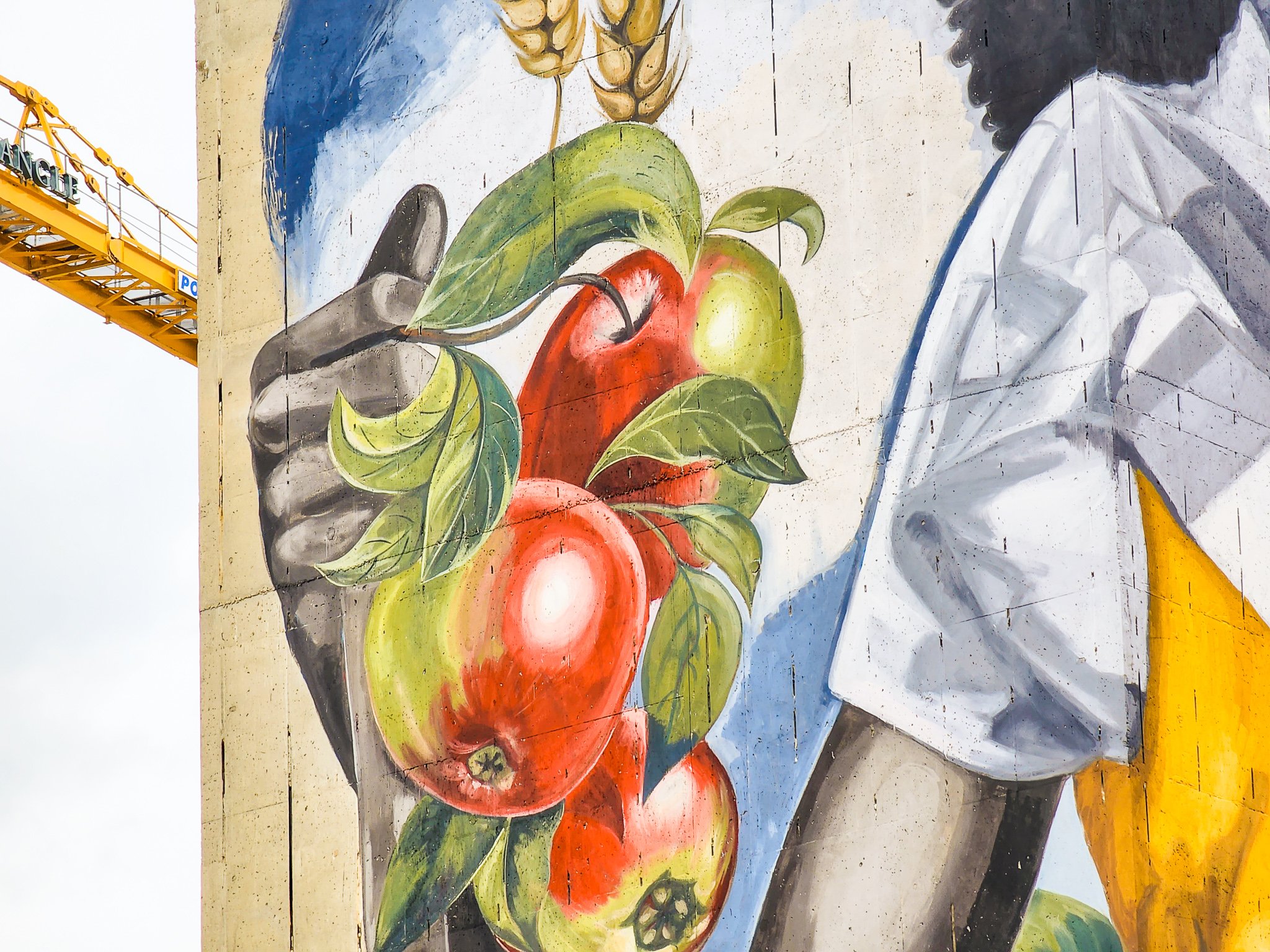
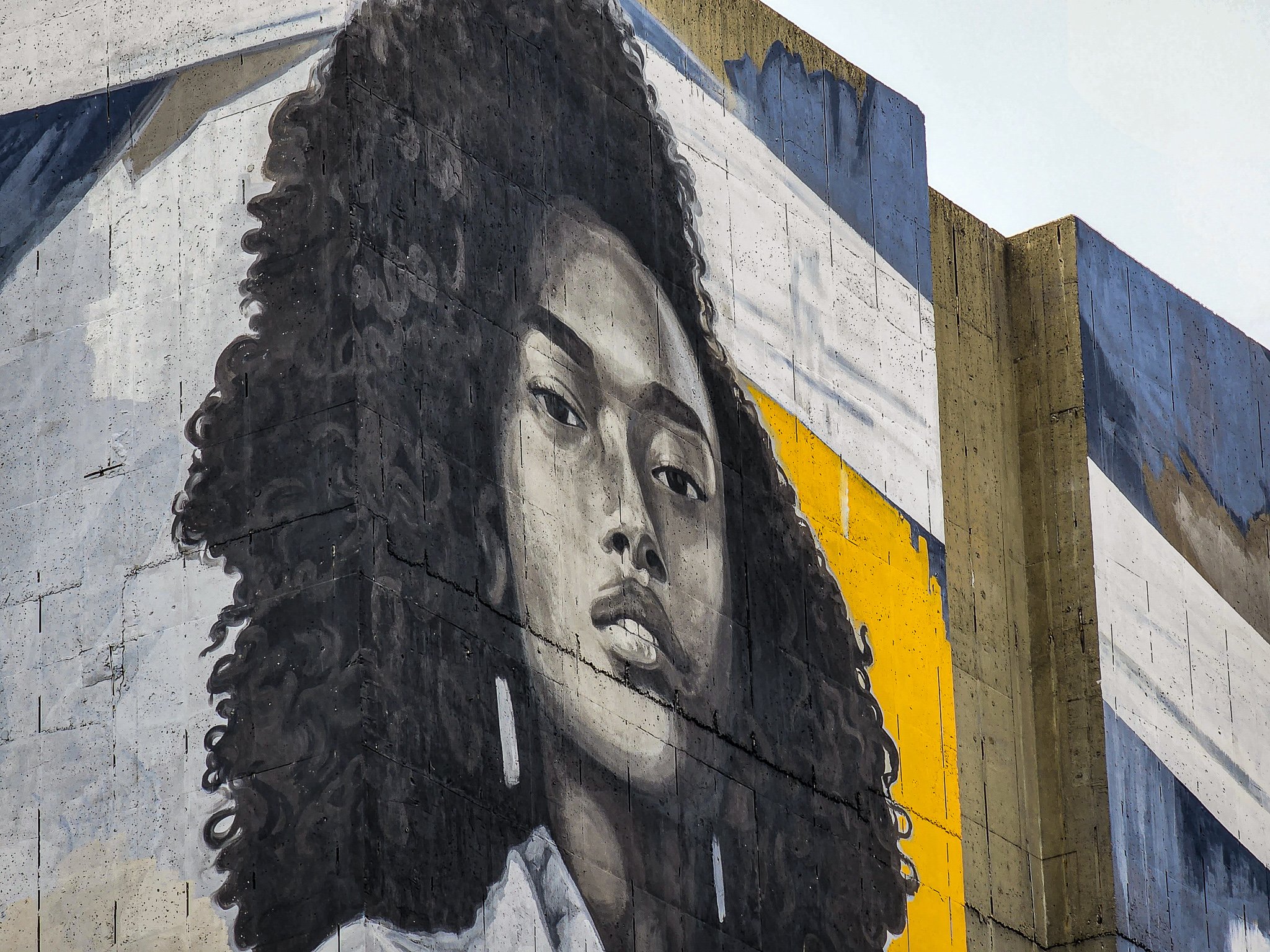
Completed earlier this summer, this 12 storey tall mural in downtown DC's eastern end is one in a series to address the issue of global hunger.

Lola Goce is a Spanish artist with works all over the world. Goce completed this mural weeks ago to aid in bringing awareness to the issue of global hunger under the asupices of the United Nations World Food Programme (WFP). Zero Hunger is also theme of the WFP intiiative. 

In the DC mural, Goce was inspired by women who provide food to their families & communities, especially women who are food entrepreneurs and farmers. 

The canvas is very unique but utilitarian structure: an air vent shaft for the underground portion of interstate 395 which runs in a tunnel beneath 3rd Street NW.
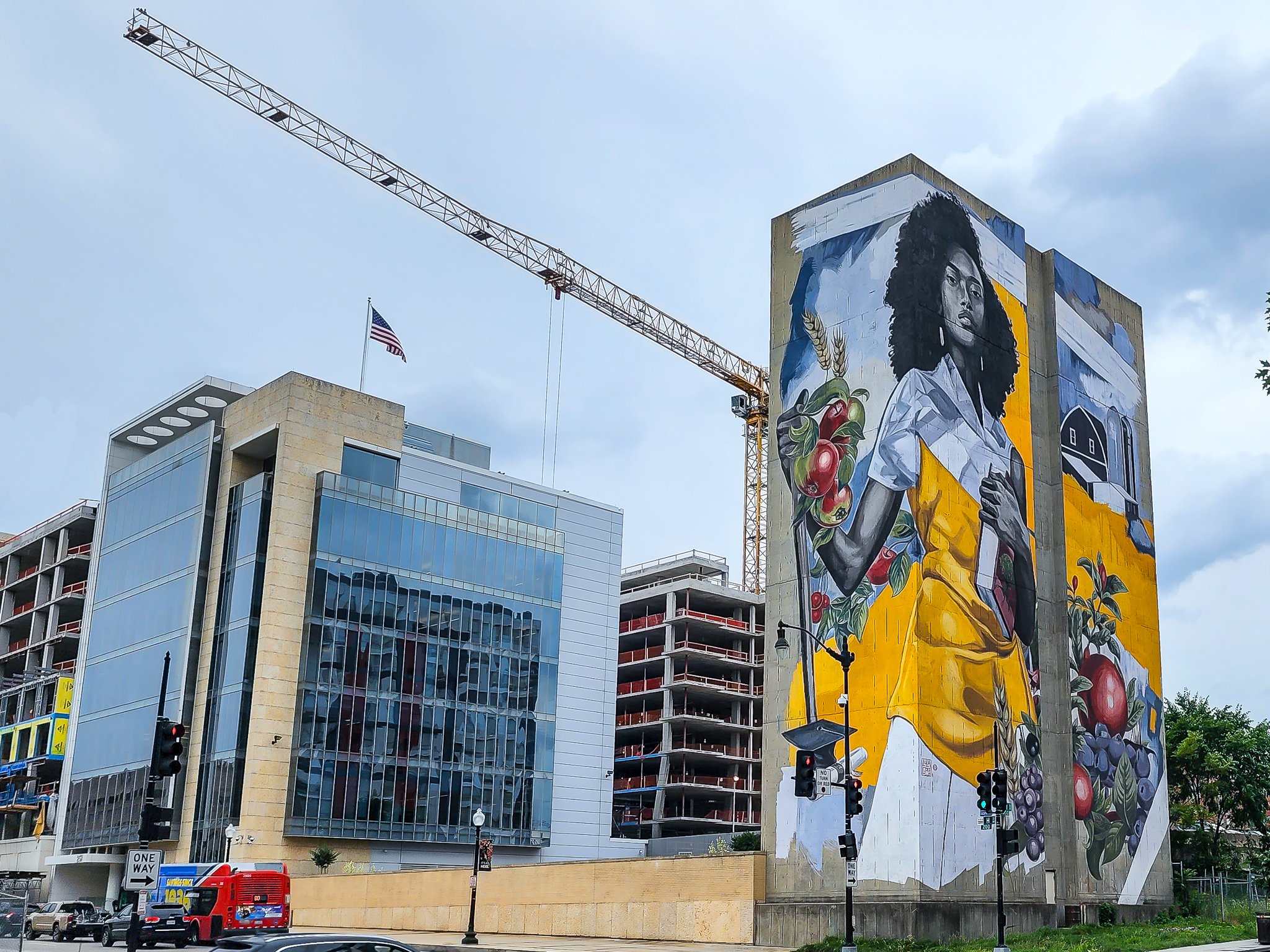
Additional murals are already or will be painted in Houston, Oakland, Battle Creek MI, New Orleans, and New York. The DC mural is located at the corner of 3rd and H Streets NW.