War Gardens at 100 | Gardens & Libraries

IMG_20171009_104032_431.jpg

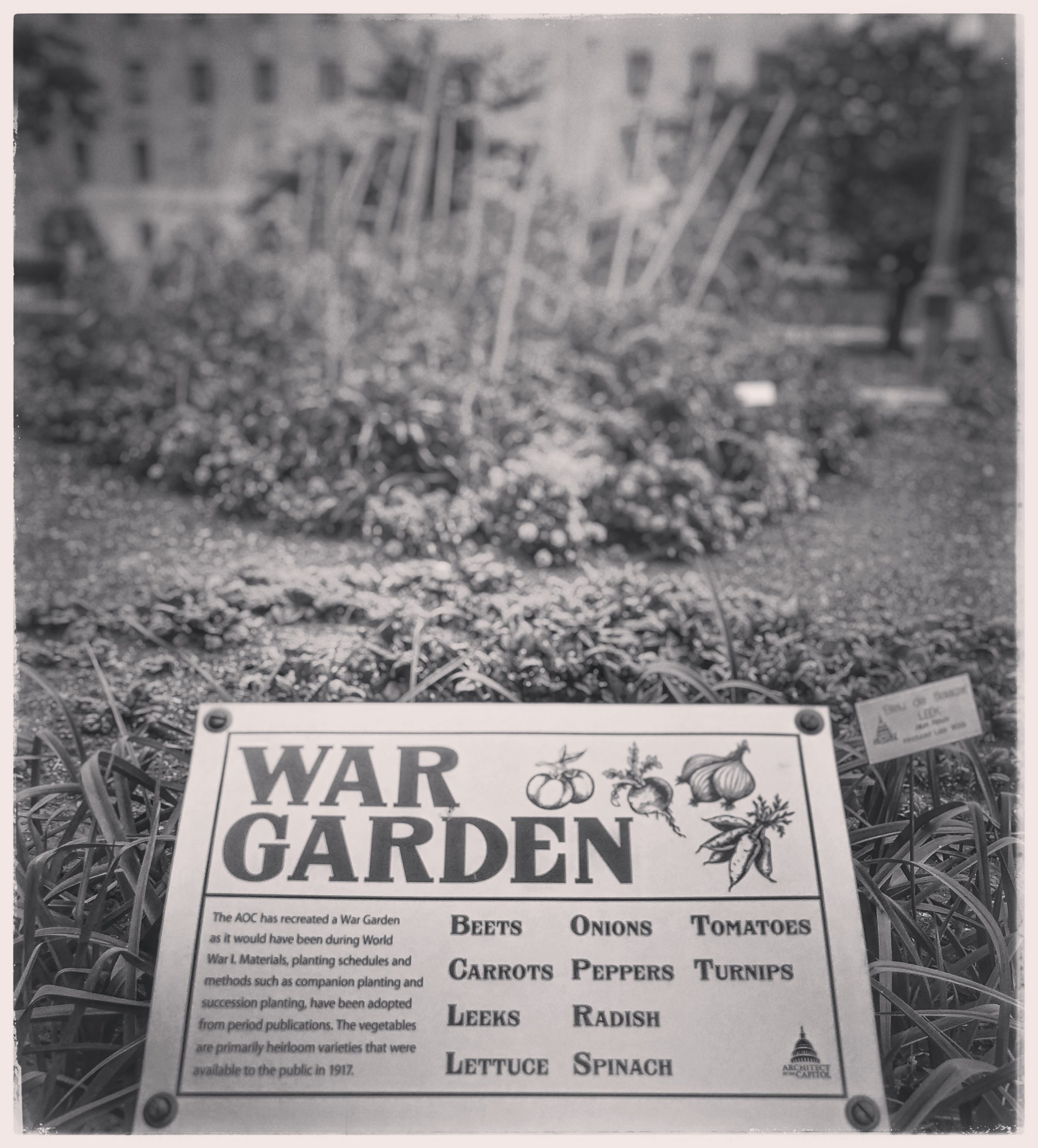
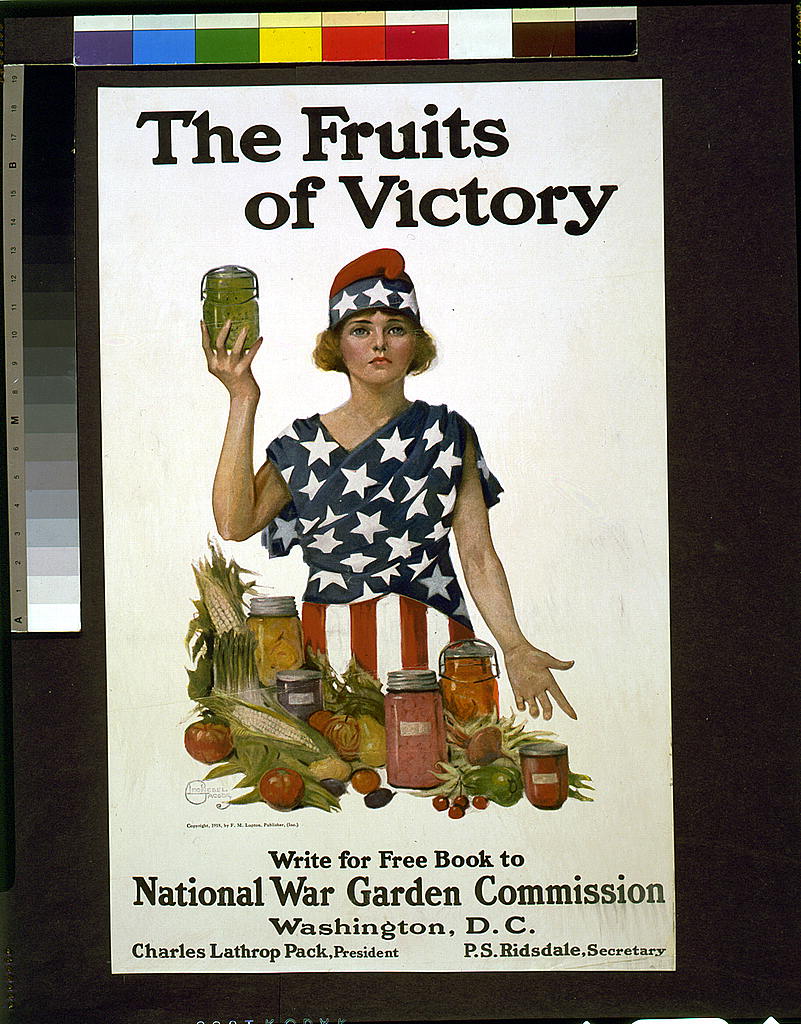
Gardens at the library? If you visit the Library of Congress this fall, yes! The Library's Thomas Jefferson Building has live displays on the grounds that mimic War Gardens, also known as Victory Gardens, from World War I. In an effort to free up resources for the military during the Great War, the United States government encouraged citizens not only to ration and conserve food, but also to cultivate their own food in small gardens. The gardens could be found in private yards, public parks, churches, schools, and playgrounds.

There are a wide variety of plants in the Library of Congress gardens, all contemporary to 1917 War Gardens. Plantings include flowering squash blooms, tomatoes, sage, lavender, leeks, beets, kohlrabi, onions, peppers, spinach, radish, carrots, turnips, and much more.  You can visit the gardens even if the Library is closed, but the inside of the Jefferson Building is magnificent and worthy of your time, if you can make it.

The Library donates all harvested crops to local Washington, DC food banks.
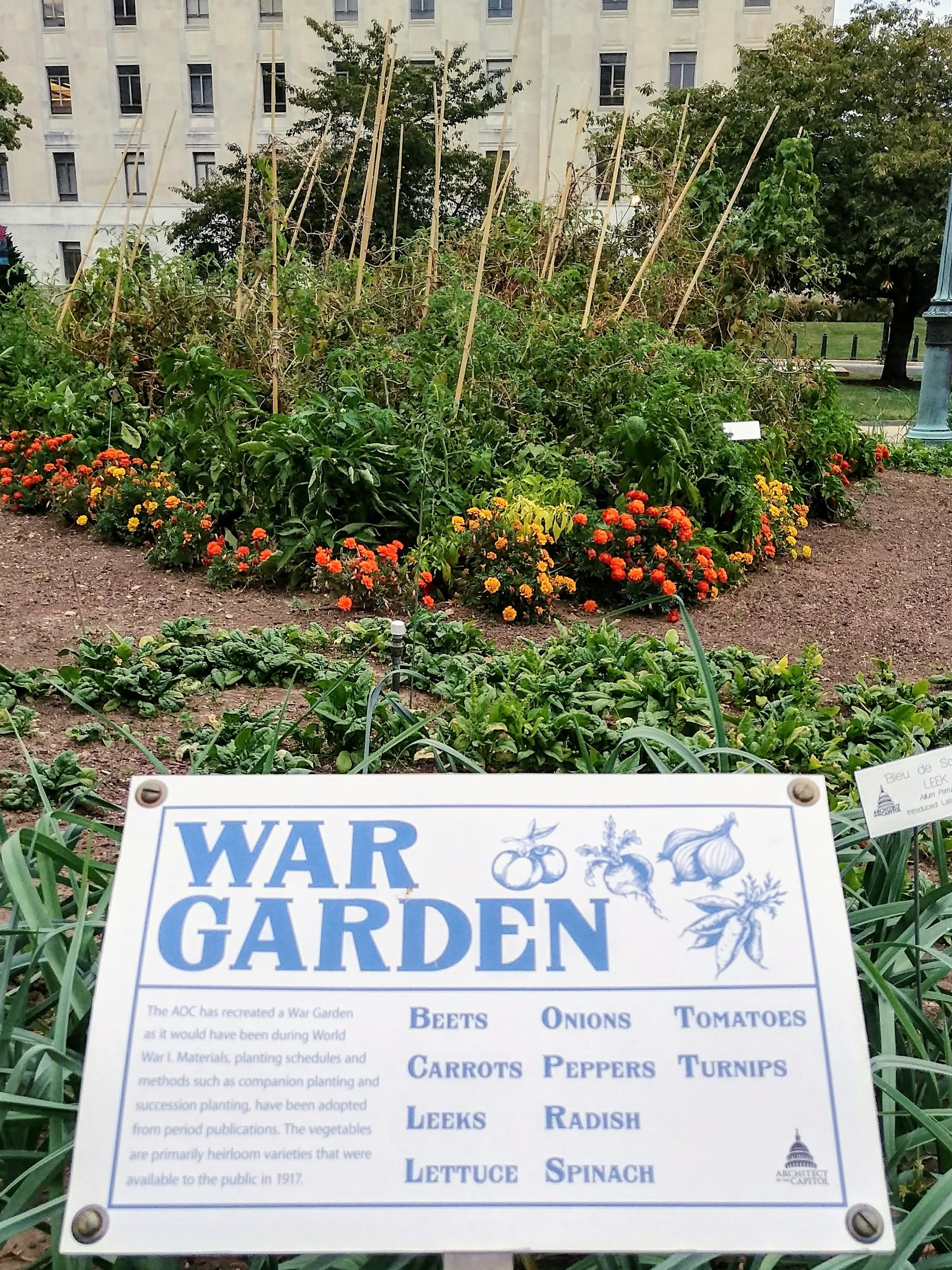
The gardens still bear herbs and vegetables here in mid-October.

The gardens still bear herbs and vegetables here in mid-October.

Find gardens on the southwest, southeast, and northwest corners of the Library grounds.
Find gardens on the southwest, southeast, and northwest corners of the Library grounds.

The Fruits of Victory by Leonebel Jacobs. c. 1918.Source: Library of Congress Prints & Photographs Online Catalog. Accessed October 10, 2017.

The Fruits of Victory by Leonebel Jacobs. c. 1918.

Source: Library of Congress Prints & Photographs Online Catalog. Accessed October 10, 2017.
Sow the Seeds of Victory! by James Montgomery Flagg. c. 1918.

Source: Library of Congress Prints & Photographs Online Catalog. Accessed October 10, 2017.

Help! The Woman's Land Army of America by Charles Dana Gibson. c. 1918.

Source: Library of Congress Prints & Photographs Online Catalog. Accessed October 10, 2017.
Shared Bikes Offer a New Way to Get Around DC

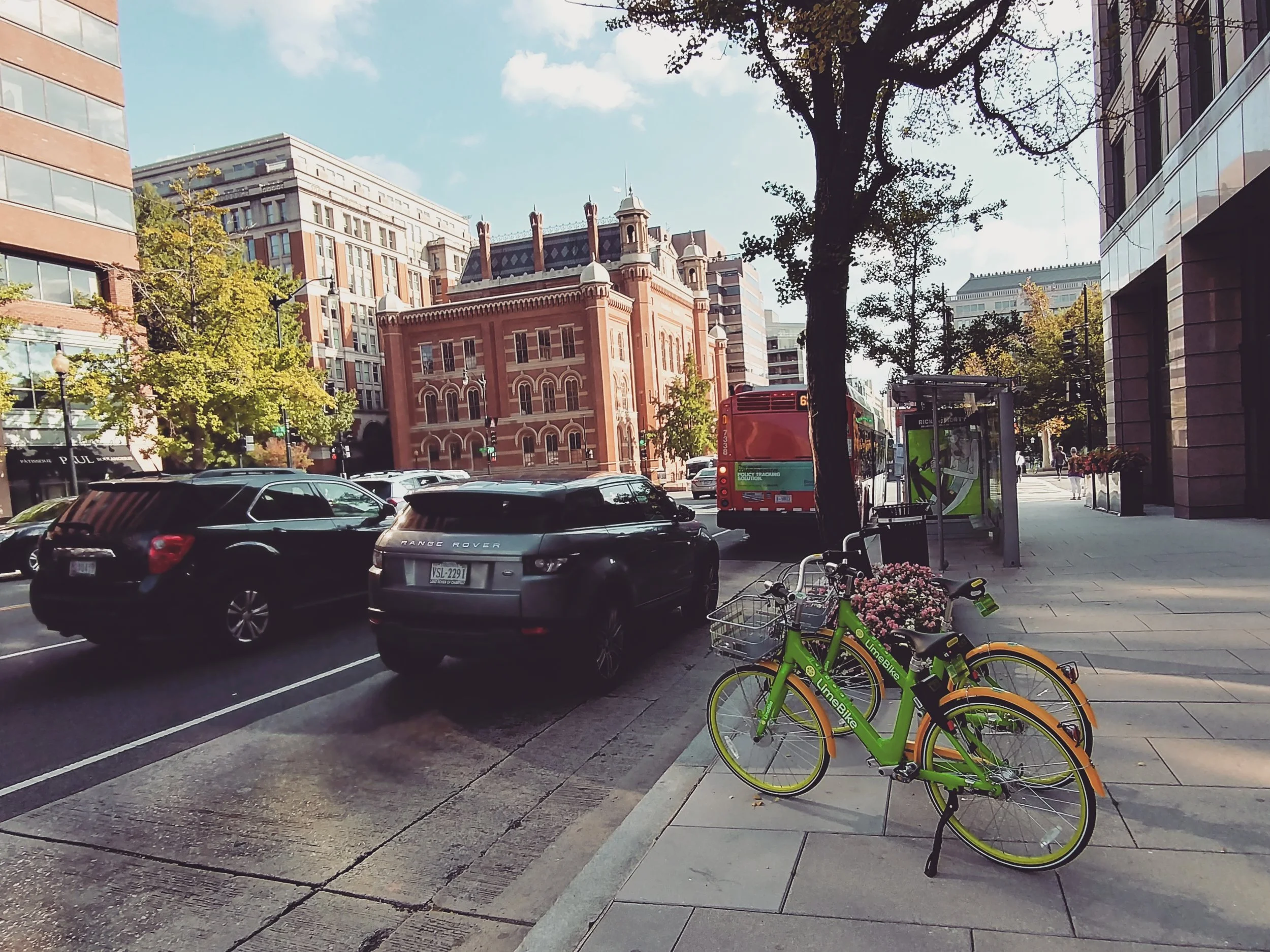
LimeBike is one of four shared biek companies participating in a new pilot program in DC.

LimeBike is one of four shared biek companies participating in a new pilot program in DC.

As of this weekend there is a new way to experience bike sharing in the District.

With 440 stations, Capital Bikeshare is the third largest system in the United States, behind New York (600) and Chicago (580). For comparisons' sake, New York's Citi Bike has 10,000 bikes, Chicago's Divvy has 5,800 bikes, and DC's Capital Bikeshare has 3,700. Measuring by number of stations may be a thing of the past, however.

The District Department of Transportation is instituting a pilot program featuring dockless (station-less) bike sharing. The program started September 20 and will run through April 2018. There are four new companies participating in the pilot: LimeBike, Mobike, Jump, and Spin. These systems allow riders to find bicycles near their location, unlock the bike, ride it, and with some restrictions, lock and leave the bike in any public space within the service area.

Guests have taken Capital Bikeshare to our tours in the past. And, not by accident, two of our tours (War Commemorations and Secret Symbols of the Lincoln Memorial) begin at the Capital Bikeshare Station near the Lincoln Memorial. It's a great, easy to find landmark. Unfortunately, the new pilot program for dock-less bike systems do not allow users to finish a ride on the National Mall. Hopefully that changes in the future. Either way, visitors to DC and residents have another car-free way to explore the city!

Shared bikes near U Street NW.

Shared bikes near U Street NW.

Raymond Kaskey's American Storyboard

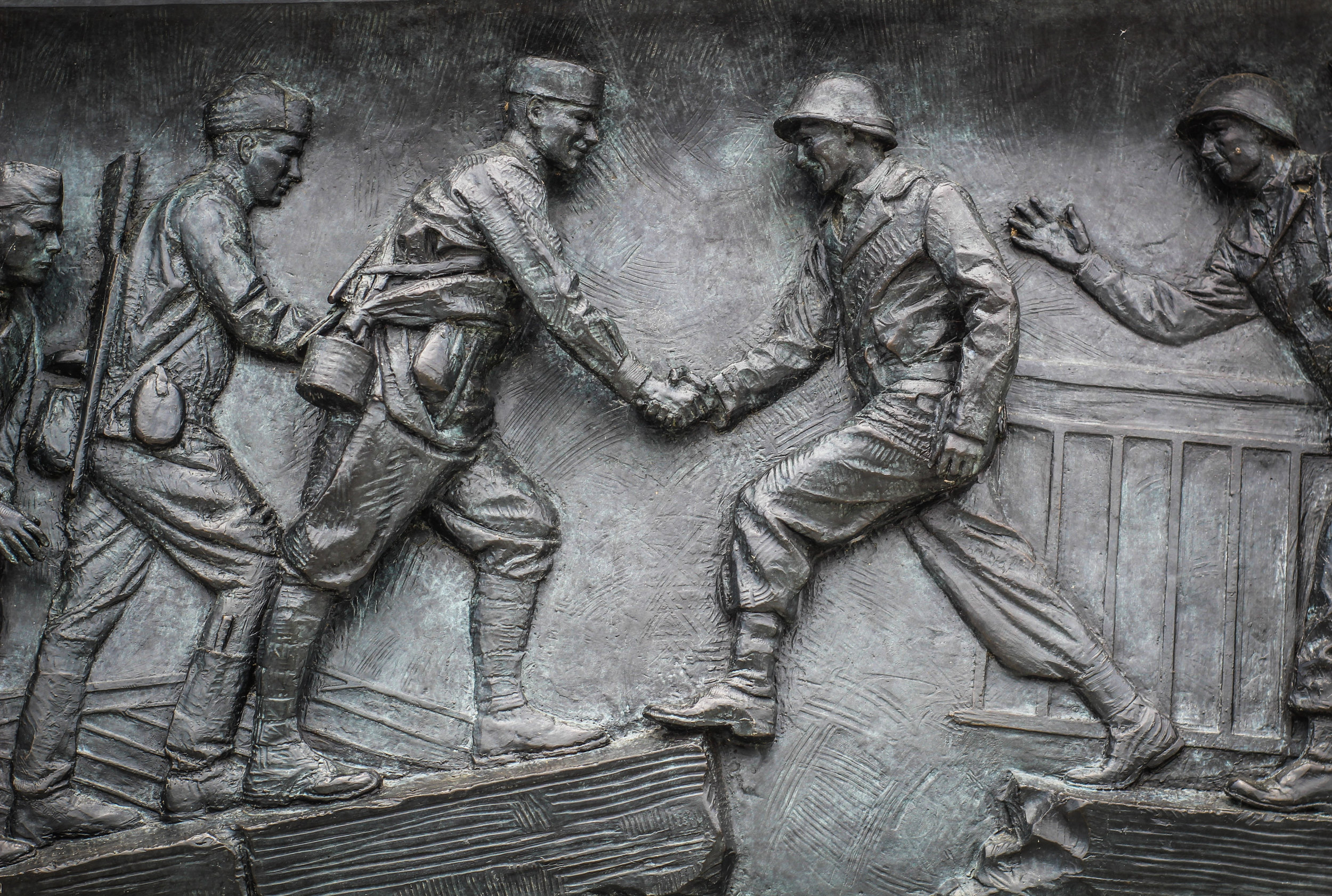
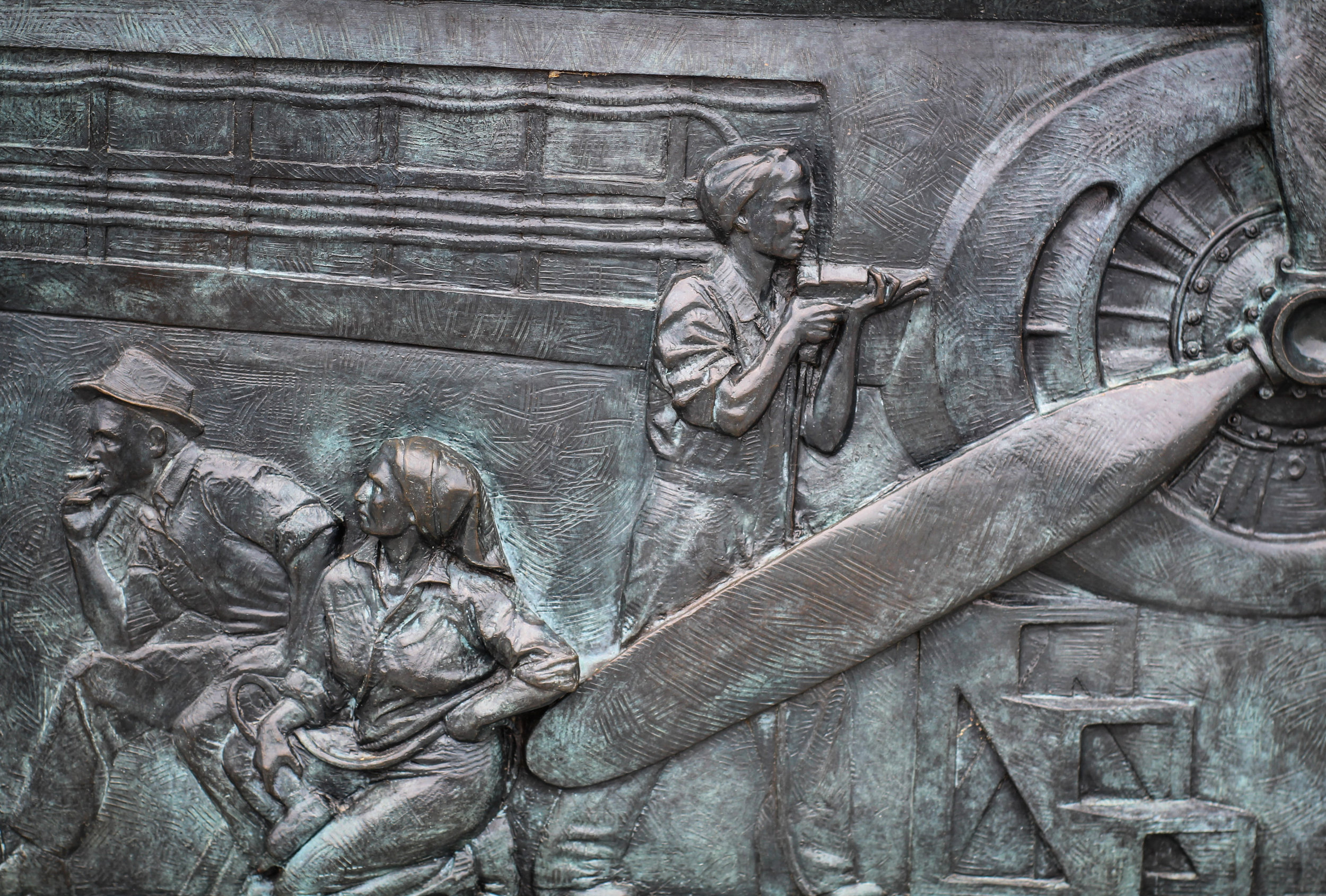
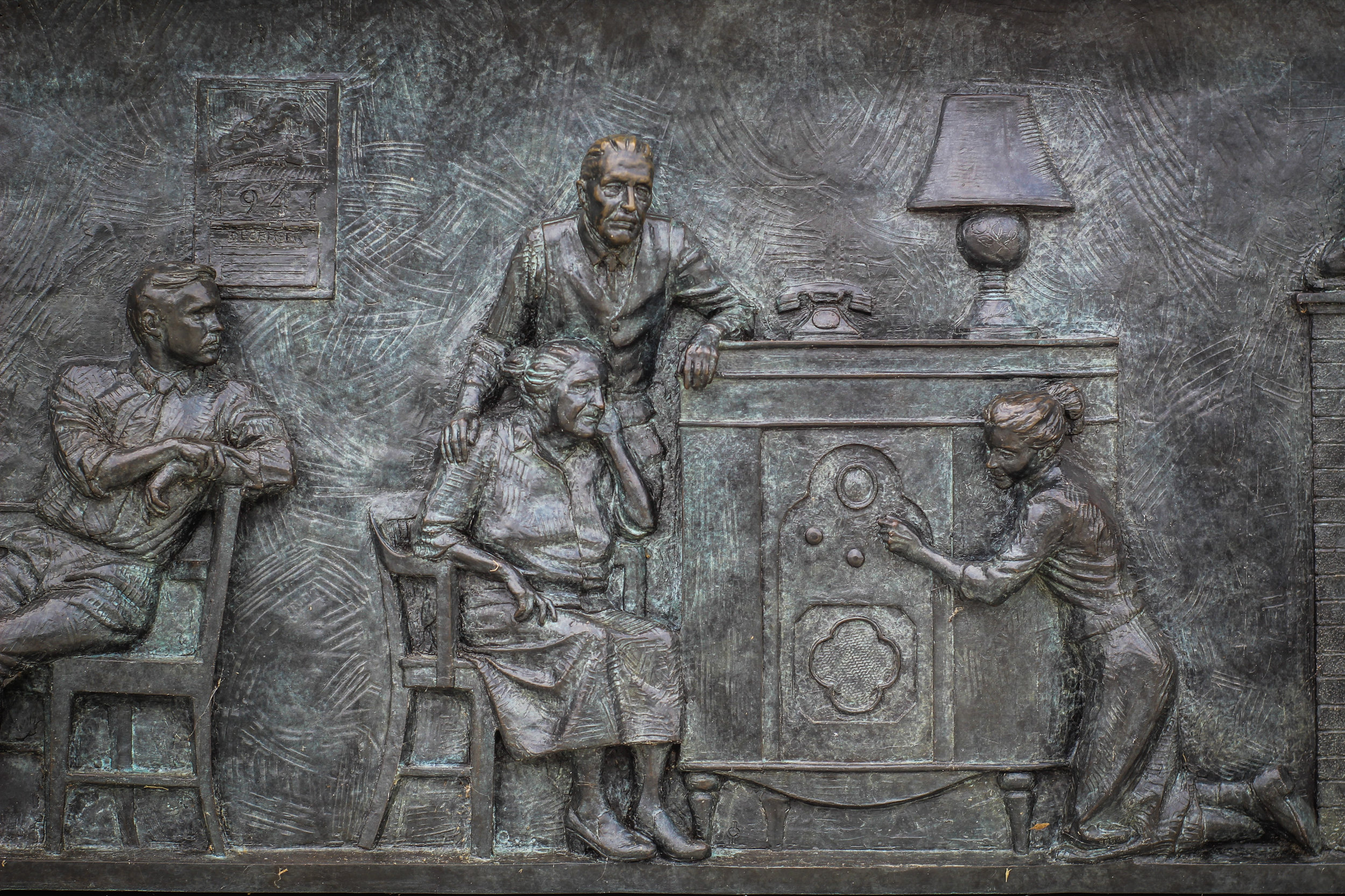
One of the most compelling elements of the National World War II Memorial is a series of bas-relief panels lining the north and south sides of the Memorial near 17th Street NW. DC-based sculptor Raymond Kaskey created the panels (and all other bronze sculptural elements in the memorial).

The 24 panels illustrate how World War II permeated every aspect of American life from the battlefields to living rooms, farms, and factories. They run in chronological order from east to west and are divided into the themes of Pacific front and Atlantic front, including scenes from life in the United States during the war.

Mr. Kaskey was inspired by the 1,200 foot wrap-around bas-relief frieze on the National Building Museum and used World War II era photographs housed at the National Archives to inform artwork on the panels . Here are a few close ups of these amazing depictions: